What Does “Real Wax Print Fabric” Mean for Wholesale Buyers?
Buyers searching for “real wax print fabric suppliers” are usually trying to avoid an unclear or unsuitable purchase.
Buyers searching for “real wax print fabric suppliers” are usually trying to avoid an unclear or unsuitable purchase. They may want a specific material, a recognizable print character, dependable product information, or a fabric that matches a sample already accepted in their market. The word “real,” however, does not by itself create a complete technical specification.
For importers, wholesalers, distributors, fabric retailers, and garment manufacturers, the safer approach is to translate that search phrase into a documented product requirement. A supplier can then confirm what is actually being offered, while the buyer can compare products without relying on labels that different companies may use differently.
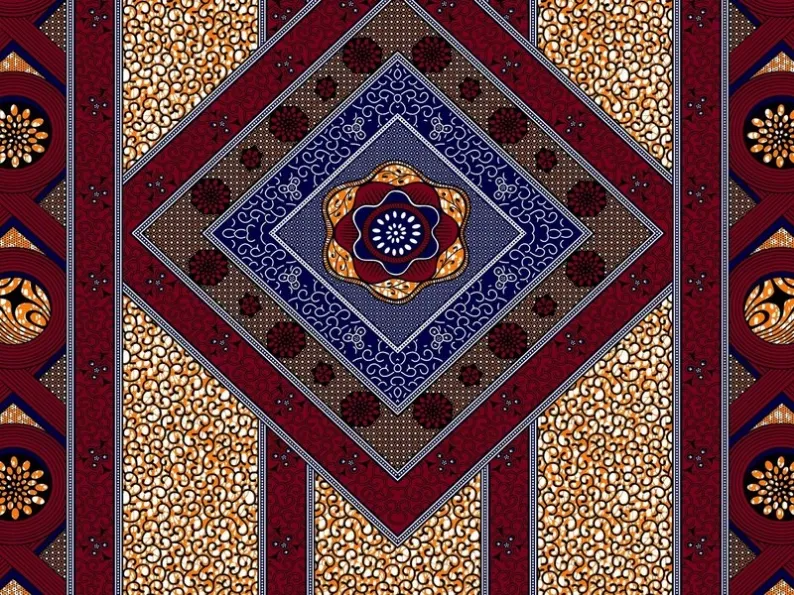
This approved, label-free photograph shows Product ID29. A design image helps identify the pattern; the product record and sample are needed to confirm the specification.
Start with the buyer’s intended meaning
Before asking whether a fabric is “real wax,” define what the term means inside your purchasing decision. Are you asking about fiber content, printing description, weight, width, packing, the appearance on both sides, a particular hand feel, or consistency with a physical sample? These are separate questions and should be written separately.
If the requirement comes from a customer, merchandising team, or previous order, ask for the evidence behind it. A product code, retained swatch, approved sample, specification sheet, or formal product URL is more useful than a name copied from a marketplace listing. When the original requirement cannot be traced, mark it as a point to confirm rather than turning it into an assumed fact.
This distinction matters because “real,” “authentic,” “original,” and similar words can be commercial descriptions rather than controlled specifications. This article does not assign those words a universal industry definition, quality grade, country of origin, or production method.
Confirm material and product type in writing
The first useful confirmation is the material and product type for the exact item under discussion. Do not infer fiber content from color, pattern, surface appearance, price, or a photograph. Ask the supplier to connect the material statement to a product code or design reference.
ShareH’s confirmed Cotton Wax options include 100% cotton, regular two-side printing and 6 yards per piece. Its Polyester Wax offering is 100% polyester, with printing options to be confirmed for the selected product. A “real wax” label does not establish which material is being offered.
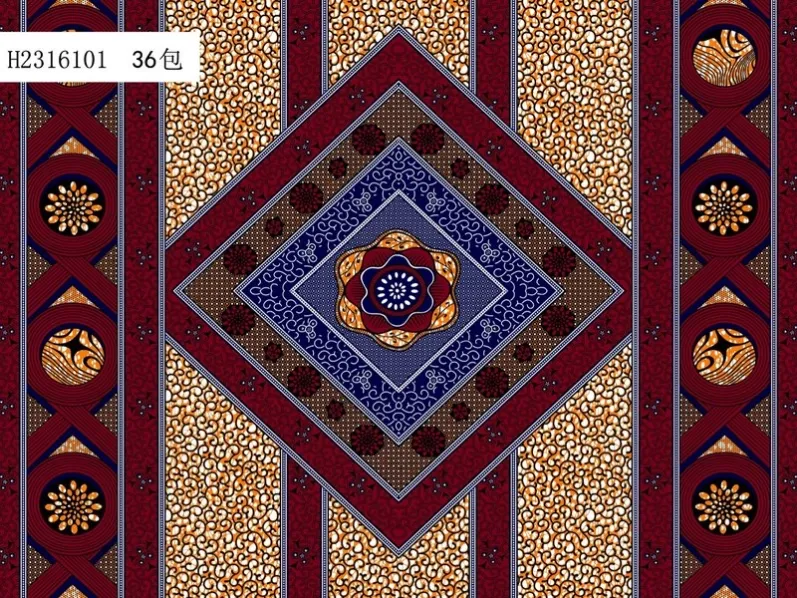
The approved records for Product ID36 and Product ID34 identify those exact designs as 100% cotton. Keep cotton and polyester on separate sourcing lines, and check the exact item in the African print wax category rather than copying facts from an unreferenced image.
Replace broad labels with traceable specifications
Once the material is clear, list the specifications that affect purchasing, merchandising, cutting, packing, or customer communication. Depending on the order, useful fields may include weight, width, printing description, packing length, design reference, and intended use. Unknown fields should remain visibly open.
The confirmed records for Product ID36 and Product ID34 state 135gsm, 46–47 inch width, two-side printing, and 6-yard packing for those two products. These are product-specific examples, not a universal definition of “real wax print fabric.” Another product or batch may require a separate confirmation.
The GSM and width guide explains why those two fields should be checked against the intended order. Use the same discipline for every specification: attach the value to an exact product and source, state the unit, and record the date or version of the confirmation.
Treat photos as design evidence, not technical proof
Product photos are valuable for building a shortlist. They can show visible colors, motif direction, scale relationships within the photographed area, and the general repeat presented in that image. They cannot prove material, weight, width, printing method, colorfastness, certification, stock, production capacity, or shipment readiness.
Keep photo approval and technical approval separate. Match each shortlisted image and colorway to a stable design reference and formal product record.
Screen color is not a physical standard. Agree on a sample and review method for color, print consistency, hand feel or other order requirements. Record what the sample represents and which features later supply must match under the confirmed order terms.
Ask what “two-side printing” means for the exact product
If appearance on both sides matters to your market, do not rely on the phrase “real wax” to answer the question. Ask for the printing or appearance description applicable to the exact design and decide what evidence your team needs before approval.
The records for Product ID36 and Product ID34 use the confirmed description “two-side printing.” That wording can be used for those products because it comes from their approved batch information, not from visual inference. It should not be expanded into claims about a particular production technique, identical color depth on both sides, colorfastness, or performance unless those points are separately confirmed.
For a sample review, compare the front and reverse under consistent conditions and record the result in buyer language. If a characteristic is essential, state the acceptance requirement clearly instead of assuming that every supplier uses the same terminology.
Separate product identity from supplier identity
A search for real wax print fabric manufacturers or suppliers may mix two decisions: whether the product is sufficiently defined and whether the company is suitable for the transaction. A detailed product page does not automatically answer questions about company role, order handling, documentation, communication, or commercial responsibility.
Use the African wax fabric supplier guide to evaluate the broader working relationship. For the product itself, require a reference, written specification, image or sample status, and a list of open questions. Keeping these records separate makes it easier to compare the same product requirement across more than one possible supply route.
Do not infer that a company owns a factory, holds a certification, has a particular capacity, or exports to a specific market merely because it appears for a manufacturer-related search. Ask for the evidence required by your purchasing policy and verify it through the appropriate process.
Build a confirmation table before requesting terms
A practical sourcing table can contain one row per product or colorway and columns for product URL, design reference, material, product type, weight, width, printing description, packing, sample status, required quantity, destination, and unresolved questions. Add a source or confirmation date beside important fields.
Distinguish a ready design from a custom design before discussing MOQ. A ready design is an existing design available for discussion, not a promise of ready stock. Ask for current availability and order conditions. A custom design needs separate confirmation of artwork, material, colors, quantity and sample approval.
For ShareH custom-design orders, the confirmed MOQ is 6,000 yards per design for Cotton Wax and 12,000 yards per design for Polyester Wax. These are custom-order minimums, not packing lengths or automatic MOQs for every available design. Confirm the selected design and order scope before proceeding.
When preparing a quotation request, keep price, availability, lead time, payment and delivery terms tied to that specification. Mark unknown fields “to be confirmed”; the words “real wax” do not settle them.
A clearer inquiry produces a clearer answer
Instead of asking only, “Do you supply real wax print fabric?”, send a short product brief. State the required material or ask for it to be confirmed; include reference images or formal product URLs; list the specifications that matter; explain the intended use; give quantity per design, destination country, and sample requirements; and identify any buyer-side documentation or packing questions.
This does not guarantee a particular product or commercial result. It gives the supplier enough structure to answer accurately and gives the buyer a record that can be checked later. The goal is not to win an argument about terminology. It is to make sure everyone is approving the same fabric, design, specification, and order basis.